Hurricane Shutters vs. Impact Windows: Which Offers Better Storm Protection for Florida Homes?
Florida is no stranger to powerful storms. With hurricane season running from June through November and the state ranking as one of the most hurricane-prone in the entire country, protecting your home isn’t a matter of preference — it’s a matter of survival. Two of the most trusted storm protection solutions available to Florida homeowners are hurricane shutters and impact windows. Both are proven, both are Florida Building Code-compliant, and both can save your home from serious storm damage. But which one is right for you?
In this guide, NFC Aluminum —a Florida Certified General Contractor with over 25 years of experience — walks you through everything you need to know about Hurricane Shutters vs. Impact Windows: how they work, what they cost, which qualifies for insurance discounts, and which is the right fit for your home, your budget, and your lifestyle.
What Are Hurricane Shutters? Types, Uses, and How They Work
Hurricane shutters are protective coverings installed over windows, doors, and other openings to shield them from wind, flying debris, and storm-driven rain. They are deployed before a storm and stored or folded away afterward. In Florida, all hurricane shutters must meet specific impact-resistance ratings and carry a Florida Product Approval number to be legally installed.
There are four main types of hurricane shutters commonly used in Florida homes:
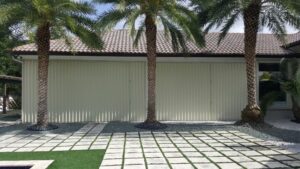
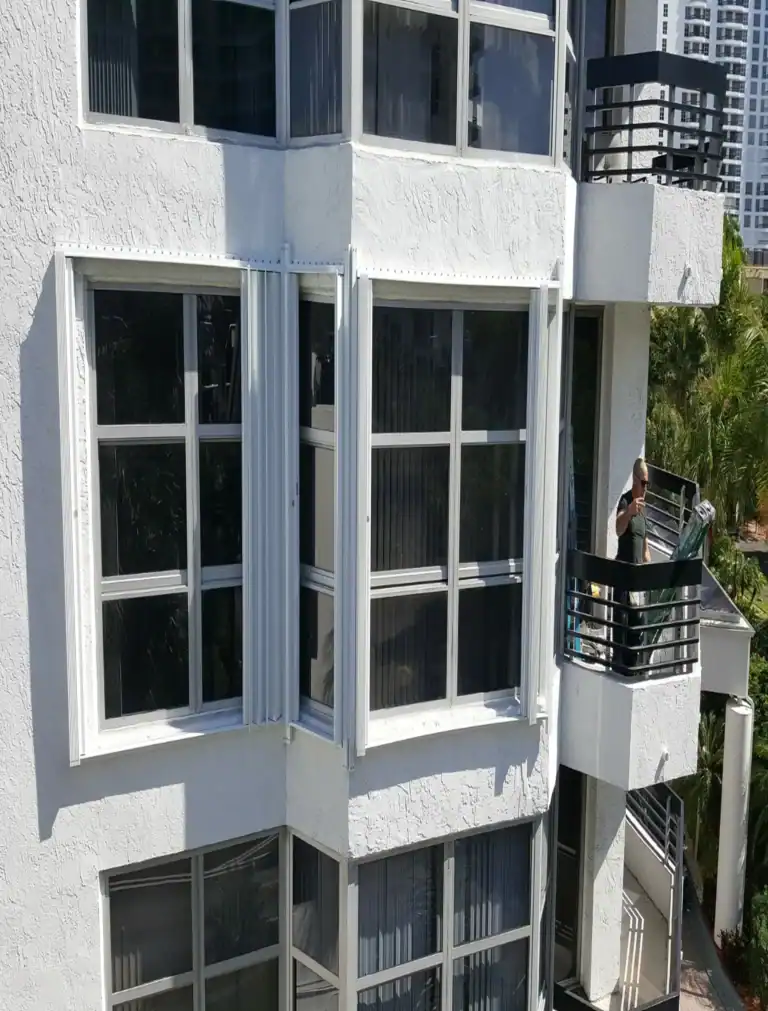
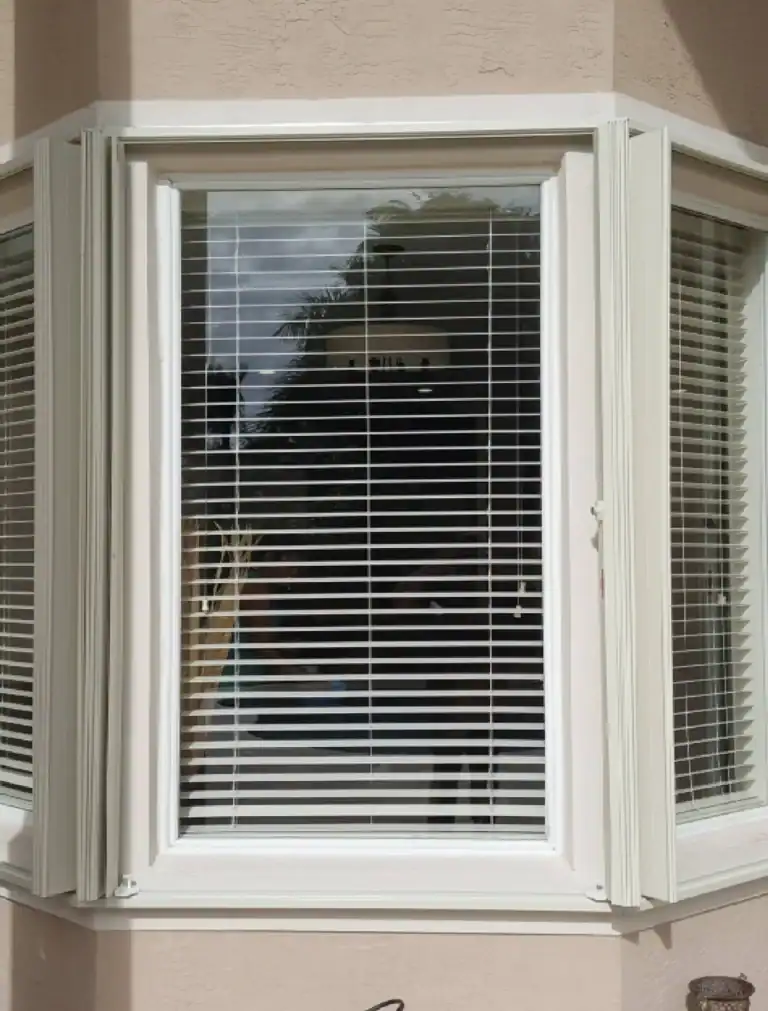
- Accordion Shutters — The most popular choice in Florida. These permanently mounted shutters fold neatly to the sides of the window and can be deployed in seconds. They require no storage and are ideal for frequent storm activity.
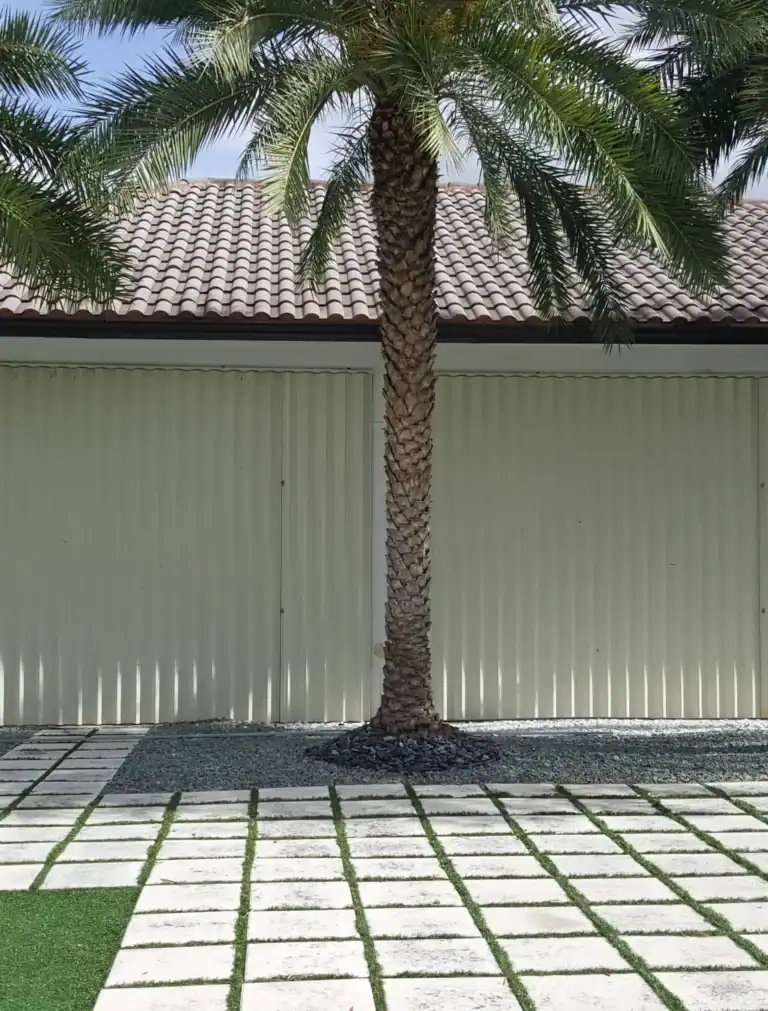
- Roll-Down Shutters — Available in manual or motorized versions, roll-down shutters retract into a housing above the window when not in use. They offer excellent protection and are commonly used on larger openings such as garage doors and sliding glass doors.
- Storm Panel Shutters — Removable corrugated metal or polycarbonate panels that are the most affordable shutter option. They require storage when not in use and must be installed before each storm.
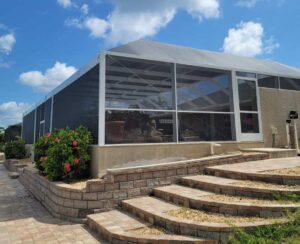
- Hurricane Screen Systems — A newer fabric-based technology that offers wind and debris protection while still allowing light and airflow. These are gaining popularity for lanais, screen enclosures, and patio openings.
All hurricane shutter installations in Florida require a building permit and must be handled by a licensed contractor to ensure code compliance.
What Are Impact Windows and Doors? How They Protect Your Home
Impact windows — also called hurricane-impact windows or impact-resistant windows — are specially engineered to withstand the forces of a major hurricane without shattering. They are constructed with two or more layers of tempered or annealed glass bonded to a polyvinyl butyral (PVB) or SGP interlayer. Even when the outer glass cracks under impact, the interlayer holds the glass together, preventing dangerous shards from entering your home and maintaining the integrity of your building envelope.
Unlike standard windows or even tempered glass, impact windows are tested and certified to resist wind speeds exceeding 200 mph and repeated large-missile impacts. In Florida, they must carry either a Miami-Dade Notice of Acceptance (NOA) or a valid Florida Product Approval (FPA) number to be used as a permittable wind protection system.
What makes impact windows particularly attractive to Florida homeowners goes beyond storm protection alone. Impact windows also offer:
- Energy efficiency — Low-E coatings reduce solar heat gain, lowering cooling costs year-round in Florida’s hot climate.
- Security — The laminated glass is significantly more resistant to break-ins than standard windows.
- Noise reduction — The multi-layer construction dramatically reduces outside noise.
- UV protection — Blocks up to 99% of harmful ultraviolet rays, protecting furniture and flooring.
- Always-on protection — No deployment required. Your home is protected 24/7, 365 days a year.
Which Storm Protection Option Is Right for Your Florida Home?
The right choice Hurricane Shutters vs. Impact Windows the right decision depends on your priorities, budget, and property type. Here are the most common scenarios we see as a licensed general contractor in Central Florida:
Choose Hurricane Shutters If:
- You need the most cost-effective storm protection solution available.
- You are retrofitting an older home with existing windows you want to keep.
- You own a rental property or investment property where budget control is a priority.
- You need to protect large openings like garage doors, patio enclosures, or carports.
- You want the flexibility to add different types of protection to different openings.
Choose Impact Windows If:
- You want always-on hurricane protection with zero preparation required before a storm.
- You are renovating or building a new home and want to maximize long-term value.
- Your home is in a high-wind zone and requires the most rigorous protection available.
- You want to reduce your homeowner’s insurance premiums through wind mitigation.
- Energy savings and noise reduction are important to your household.
- You plan to sell your home and want to increase resale value.
Consider a Hybrid Approach:
Many Florida homeowners choose both. A common strategy is to install impact windows throughout the main living areas for always-on protection and year-round energy savings, while using accordion shutters or storm panels for garages, pool enclosures, or secondary structures. This hybrid approach maximizes protection across the entire property while managing overall cost.
Both hurricane shutters and impact windows qualify for Florida’s wind mitigation inspection program, which can significantly reduce your homeowner’s insurance premium. Ask your insurance provider about the specific discounts available for your chosen system.
Florida Building Code and Hurricane Protection Requirements You Need to Know
Florida has some of the strictest wind mitigation building codes in the United States — and for good reason. Following the catastrophic damage caused by Hurricane Andrew in 1992, the state overhauled its building codes to require significantly higher standards for wind protection, especially in coastal and high-velocity wind zones.
Here is what every Florida homeowner should know about code compliance for hurricane protection:
- All hurricane shutters must meet Florida Product Approval standards and carry a valid FPA number.
- Impact windows must meet either Miami-Dade Notice of Acceptance (NOA) or Florida Product Approval requirements.
- Both hurricane shutters and impact window installations require a building permit issued by your local building department.
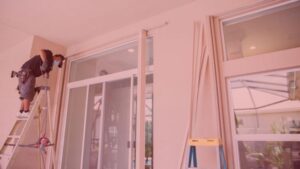
- Installations must be performed by a licensed general contractor or specialty contractor authorized under Florida law.
- A final inspection is required to close the permit and document the installation for insurance purposes.
This is not a DIY project. Unpermitted hurricane protection work can invalidate your homeowner’s insurance claim, create problems during a home sale, and leave your property legally unprotected. If you are also exploring the My Safe Florida Home Program requirements, working with a licensed contractor is not optional — it is a program requirement. Always work with a licensed, insured contractor who understands Florida Building Code inside and out.
We serve homeowners and businesses throughout Orlando, Miami, Tampa, and all of Central Florida. Our process is simple: we evaluate your property, provide a transparent detailed estimate, pull all required permits, and deliver a code-compliant installation backed by over 25 years of Florida construction expertise. Contact us today!